Dr. Bhrigu Jain is an attending Geriatric Medicine Specialist and Consultant and Internal Medicine Specialist at Medanta, Gurugram, with specialized expertise in Geriatric Medicine. He holds an MBBS and an MD in Geriatric Medicine from the prestigious All India Institute of Medical Sciences (AIIMS), New Delhi, and has cleared MRCP (UK) Part 1 and 2. He is among the few physicians in India with formal certification in the care of older adults, having been trained at the nation’s premier institution for geriatric care.
Dr. Bhrigu Jain is proficient in managing a wide spectrum of age-related acute and chronic conditions including hypertension, diabetes, heart failure, COPD, kidney and liver disorders, and complex multimorbidities. His training encompasses outpatient, inpatient, ICU-based, preventive, and rehabilitative care tailored to elderly patients. He also has a keen interest in addressing issues like frailty, falls, incontinence, polypharmacy, and cognitive decline, ensuring a holistic and patient-centric approach to elderly care.
Known for his compassionate demeanor and thorough clinical acumen, Dr. Jain offers individualized care plans that prioritize quality of life and functional independence. He is committed to promoting healthy aging, preventing disease progression, and supporting families in managing chronic conditions with dignity and empathy.
Dr. Bhrigu Jain only available for online consultation

- Call Us: 7428796787
- Email Us: bhrigujainaiims@gmail.com
Dr. Bhrigu Jain: Expert Care by a Specialist for the Elderly You Can Trust
Specialized management of chronic and age-related health conditions

Comprehensive Geriatric Assessments for Better Aging
Focused evaluations for frailty, memory loss, falls, and nutrition

Managing Chronic Diseases with Precision and Compassion
Integrated care for diabetes, hypertension, COPD, and heart failure

Infections in Older Adults: Early Detection and Treatment
Timely diagnosis and care for pneumonia, UTIs, and sepsis

Promoting Healthy Aging and Improved Quality of Life
Preventive strategies and personalized plans for longevity and vitality

.png)
.png)
.png)
.png)

Dr. Bhrigu Jain
About Us
Dr. Bhrigu Jain-One of the Select Few Doctors Certified by AIIMS in Elderly Care
Dr. Bhrigu Jain is a distinguished geriatric medicine specialist and internal medicine specialist, whose practice stands at the confluence of clinical excellence, deep compassion, and a profound understanding of the aging process. As a Geriatric Medicine Specialist and Consultant in Internal Medicine, Dr. Jain is uniquely trained to navigate the intricate medical, emotional, and functional needs of elderly patients—offering care that is as thoughtful as it is thorough.
Unlike conventional practitioners, his approach goes beyond symptom management. He specializes in comprehensive geriatric assessments, uncovering subtle patterns of cognitive decline, frailty, and multi-morbidity that often evade routine diagnosis. His dual expertise enables him to craft personalized treatment strategies, balancing polypharmacy concerns with the evolving physiology of age.
What sets him apart is his holistic and multidisciplinary care model—integrating evidence-based medicine, preventive strategies, functional rehabilitation, and end-of-life planning. Whether managing chronic neurodegenerative disorders, metabolic syndromes, or recurrent infections in older adults, his interventions are grounded in empathy and clinical insight.
His unwavering dedication to healthy aging and dignified living makes him not just a physician, but a steadfast partner in his patients’ journeys. With every consultation, he reaffirms his commitment to preserving autonomy, vitality, and quality of life for seniors.
9+
Years of Experience
1K+
Types of Illnesses Treated in Elderly
25K+
Happy Patients
Our Specialization

Geriatric Medicine
Internal Medicine
Our Healthcare Services
Comprehensive care tailored for elderly wellness and longevity

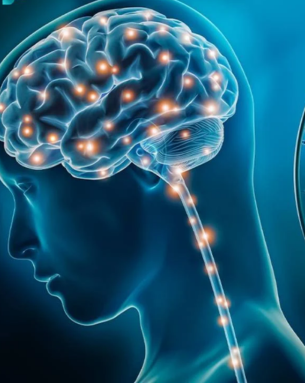




Dr. Bhrigu Jain
Internal Medicine, Geriatric Medicine Specialist
 (1).png)
- MBBS (AIIMS, New Delhi) MD (Geriatric Medicine), AIIMS, New Delhi
- 9.0 Years Of Experience
- Licence No. DMC R 14112
- Call
- Video Call
- In person
Testimonials
What our Patients says about us
A nice person and explain the things straight forward

Ritesh Ranjan
Frequently Asked Questions
Need Answers? Find them here...
What are Dr. Bhrigu Jain's qualifications and areas of expertise as a geriatric medicine specialist?
Dr. Bhrigu Jain, based at Medanta, Gurugram, is an esteemed Geriatric Medicine Specialist and Consultant Internal Medicine Specialist. He holds an MBBS and an MD in Geriatric Medicine from AIIMS, New Delhi, and has successfully cleared MRCP (UK) Part 1 and 2 exams. Dr. Jain's expertise encompasses managing age-related conditions such as hypertension, diabetes, and heart failure, focusing on holistic care for older adults to improve their quality of life.
What patient care approaches does Dr. Bhrigu Jain utilize in geriatric medicine?
Dr. Bhrigu Jain is renowned for his compassionate and thorough approach, offering individualized care plans at Medanta, Gurugram. His practice emphasizes holistic and patient-centric care for elderly patients, addressing frailty, falls, polypharmacy, and cognitive decline. Dr. Jain's training includes outpatient, inpatient, ICU-based, preventive, and rehabilitative care, ensuring his patients achieve functional independence and improved quality of life while supporting their families with dignity and empathy.
What are common chronic diseases in the elderly, and how can they be managed?
Common chronic diseases in the elderly include heart disease, diabetes, arthritis, and hypertension. Management involves regular monitoring, medication adherence, lifestyle modifications like diet and exercise, and routine check-ups. Early detection and comprehensive geriatric assessment can effectively manage these conditions, improving overall quality of life and functional wellbeing.
How do chronic neurodegenerative conditions affect cognitive decline in older adults?
Chronic neurodegenerative conditions such as Alzheimer's and Parkinson's disease contribute significantly to cognitive decline in older adults. These conditions impact memory, thinking, and reasoning abilities. Early diagnosis, regular cognitive assessments, and interventions like cognitive therapies and medications can slow progression and help maintain independence, thereby enhancing the functional wellbeing of the elderly.
What is a comprehensive geriatric assessment and why is it important?
A comprehensive geriatric assessment (CGA) is a multidimensional evaluation of an elderly person's functional ability, physical health, cognition, mental health, and socio-environmental circumstances. This thorough assessment helps create a coordinated and integrated plan for treatment and long-term follow-up, addressing chronic diseases and promoting functional wellbeing and healthy aging among seniors.
What infections are older adults most at risk for, and how are they managed?
Older adults are more susceptible to infections such as pneumonia, urinary tract infections, and influenza due to weakened immune systems. Management involves prompt diagnosis, appropriate antibiotic or antiviral treatments, regular vaccinations, and preventive measures like hygiene and assisted living supports, aiding in reducing infection risks and enhancing senior health protection.
Which essential vaccinations are recommended for senior health protection?
Essential vaccinations for seniors include the influenza vaccine, pneumococcal vaccine, shingles vaccine, and Tdap (tetanus, diphtheria, and pertussis) booster. These vaccinations protect against severe infections, reducing health complications and promoting longevity in older adults. Regular immunization schedules should be followed as part of comprehensive geriatric healthcare management.
How can we promote healthy aging and longevity in older adults?
Promoting healthy aging involves encouraging an active lifestyle, balanced nutrition, regular social interactions, and preventive healthcare visits. Cognitive exercises, stress management, and addressing chronic diseases through comprehensive geriatric assessment are crucial. These measures improve physical health, reduce cognitive decline risk, and foster an overall sense of wellbeing and longevity in seniors.
How does cognitive decline impact the functional wellbeing of seniors?
Cognitive decline affects short-term memory, decision-making, and problem-solving abilities, impacting seniors' daily activities and independence. This decline can lead to difficulties in managing chronic diseases and overall functional wellbeing. Early intervention with cognitive therapies and supportive care can sustain mental faculties, improve quality of life, and foster healthy aging.
In what ways can comprehensive geriatric assessment aid in managing chronic diseases?
Comprehensive geriatric assessment (CGA) identifies health problems, functional limitations, and psychosocial issues. This holistic approach assists in creating personalized care plans to manage chronic diseases efficiently. Regular CGA helps in timely interventions, medication adjustments, and preventive strategies, significantly contributing to enhanced functional wellbeing and longevity in older adults.
What steps can be taken to minimize infection risks in older adults?
Minimizing infection risks in older adults involves ensuring hygienic environments, encouraging vaccinations, and regular monitoring of health signs. Nutrition and hydration are important, alongside managing chronic diseases that may compromise immunity. Education on infection control and consultations with healthcare providers can effectively lower the incidence of infections and promote senior health protection.
How do neurodegenerative diseases differ from other chronic diseases in the elderly?
Neurodegenerative diseases like Alzheimer's and Parkinson's progress differently, primarily affecting the brain and central nervous system. Unlike other chronic diseases, they predominantly cause cognitive and motor impairment. Early diagnosis, cognitive therapies, and support systems are more emphasized alongside standard chronic disease management practices for maintaining senior functional wellbeing and healthy aging.
Why are routine check-ups essential for managing chronic diseases in the elderly?
Routine check-ups are vital as they facilitate early detection of complications, ensure consistent medication management, and allow for timely lifestyle modifications. Regular monitoring helps in adjusting treatment plans according to evolving health needs, significantly improving management of chronic diseases and enhancing functional wellbeing and longevity in older adults.
What lifestyle modifications can aid in managing chronic neurodegenerative conditions?
Lifestyle modifications like maintaining a heart-healthy diet, regular physical activity, cognitive exercises, and reducing stress can aid in managing chronic neurodegenerative conditions. Social engagement and support are equally important. These strategies help slow cognitive decline, enhance functional wellbeing, and contribute to healthier aging and longevity, especially in older adults with neurodegenerative issues.
Location & Location Map
 Address :Medanta - The Medicity, CH Baktawar Singh Rd, Medicity, Islampur Colony, Sector 38, Gurgaon 122001, Haryana

Working Hours
MONDAYClosed
TUESDAYClosed
WEDNESDAYClosed
THURSDAYClosed
FRIDAYClosed
SATURDAYClosed
SUNDAYClosed
Contact Us
What We Offer
Contact Us
- Email: bhrigujainaiims@gmail.com
- Phone: 7428796787
Social Media connect:

Website Powered by icareheal